Planning a Teeth Implant After Tooth Loss: What to Expect
A loose affect more than your smile’s appearance. It can change the way you eat, speak, and smile, while also influencing your long-term oral health.
On this page
Table of Contents
On this page
Table of Contents
Whether tooth loss occurs because of injury, decay, gum disease, or another dental concern, replacing the missing tooth promptly can help prevent additional complications.
Modern dental implants have become one of the most trusted and predictable tooth replacement options available.
Teeth Implants are designed to function and look like natural tooth roots. They provide stability, preserve jawbone health, and restore confidence in everyday life. However, many patients are unsure what the treatment process involves or whether they’re suitable candidates.
If you’re considering a teeth implant Perth, understanding each stage of the journey can help you feel informed, prepared, and confident about your dental treatment decisions.
Why Dental Implants Are a Popular Tooth Replacement Option
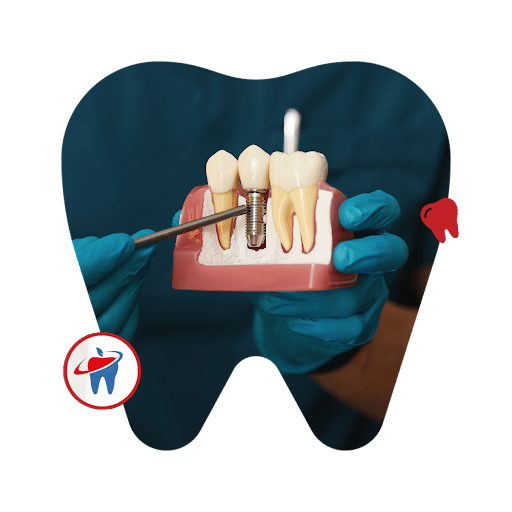
Unlike removable dentures or traditional bridges, dental implants replace both the visible tooth and its root.
The implant is placed into the jawbone, where it gradually integrates with the surrounding bone to create a secure foundation for the replacement tooth.
Patients often choose implants because they offer:
- A natural appearance
- Strong chewing function
- Long-term durability
- Jawbone preservation
- Improved speech
- Greater confidence when eating and smiling
While every treatment plan is unique, dental implants are widely regarded as one of the most effective long-term solutions for missing teeth.

The First Step Is a Comprehensive Consultation
Every successful implant journey begins with a detailed assessment.
Rather than recommending treatment immediately, your dentist carefully evaluates your oral health, medical history, and treatment goals.
The consultation may include:
A Full Oral Examination
Your dentist will examine your teeth, gums, and surrounding tissues to assess your overall oral health and identify any issues that need attention before implant treatment.
Digital Imaging
Modern digital X-rays and three-dimensional scans provide detailed information about your jawbone, surrounding teeth, and important anatomical structures.
These images help your dentist determine whether there is sufficient bone to support the implant and allow treatment to be planned with precision.
Personalised Treatment Planning
No two patients are the same.
Your dentist will explain the recommended treatment approach, expected timelines, costs, and any additional procedures that may be required before implant placement.
This personalised planning ensures your treatment is tailored to your individual needs.
Are You a Suitable Candidate?
Many people assume they are not eligible for dental implants because they have lost teeth years ago or have experienced some bone loss.
In reality, suitability depends on several individual factors rather than one single condition.
Your dentist will consider:
- Gum health
- Jawbone quality
- Overall medical history
- Lifestyle habits
- Oral hygiene
- Long-term treatment goals
If additional preparation is required, this does not necessarily rule out implant treatment.
Preparing for Implant Treatment
Some patients are ready for implant placement immediately, while others may require preliminary treatment to create the best possible conditions for long-term success.
Treating Gum Disease
Healthy gums provide essential support for dental implants.
If gum disease is present, it is usually treated before implant surgery to reduce the risk of future complications.
Bone Grafting
Where significant bone loss has occurred, your professional dentist may recommend bone grafting to strengthen the implant site.
This procedure creates a more stable foundation and improves the likelihood of successful implant integration.
Although it adds a step to treatment, bone grafting allows many patients to proceed with implants who might otherwise not have been suitable candidates.
What Happens During Implant Placement?
The implant placement procedure is carefully planned and performed using precise techniques.
The titanium implant is positioned within the jawbone under local anaesthetic, making the procedure generally more comfortable than many patients expect.
Following placement, the surrounding bone gradually bonds with the implant through a natural healing process called osseointegration.
This stage is critical because it creates the stable foundation needed to support the final restoration.
Maintaining good oral hygiene remains essential.
Daily care should include:
- Brushing twice each day
- Cleaning around the implant thoroughly
- Using recommended interdental cleaning aids
- Attending regular dental examinations
- Scheduling professional cleans
Consistent maintenance helps protect the tissues supporting the implant while contributing to its long-term success.
Lifestyle Habits Influence Long-Term Results of Teeth Implants
Successful implant treatment extends beyond the dental clinic.
Certain lifestyle factors can influence healing and long-term outcomes.
Patients are often encouraged to:
Avoid Smoking
Smoking may reduce blood flow and slow healing following implant surgery.
Reducing or stopping smoking during treatment can improve the likelihood of successful recovery.
Protect Against Teeth Grinding
Patients who grind or clench their teeth may benefit from a custom-made night guard.
Protecting the implant from excessive biting forces helps preserve both the restoration and surrounding structures.
Attend Regular Reviews
Routine appointments allow your dentist to assess the health of the implant, monitor surrounding tissues, and identify any concerns before they become significant.
Preventive care remains one of the most effective ways to support long-term implant success.
Common Questions Patients Ask
Planning a dental implant often comes with plenty of questions. Understanding what to expect can help you approach treatment with greater confidence.
Will the Implant Look Like a Natural Tooth?
Yes. The final restoration is custom-made to blend with your surrounding teeth, taking into account colour, size, and shape to create a natural-looking smile.
Comments
0 comments
No comments yet. Be the first to comment.
Related Articles

Oct 3, 2026
Physical Therapist Services in Ashburn VA | State of the Art Physical Therapy
When pain, stiffness, weakness, or limited movement begins interfering with everyday life, finding the right rehabilitation support can make an important difference. Physical Therapist Services in Ashburn VA are designed to help people address movement-related challenges through individualized assessment, therapeutic exercise, hands-on care, and practical guidance. Whether discomfort developed gradually, followed an injury, or appeared…