Charity Contactless Donation Box: The Future of Cashless Fundraising for Modern Nonprofits
Introduction
As society continues to embrace digital payments, charities are adapting to meet donors where they are. With fewer people carrying cash, traditional donation methods are becoming less effective. A Charity contactless donation box offers a modern solution that allows supporters to donate instantly using a contactless bank card, smartphone, or wearable device.
On this page
Table of Contents
On this page
Table of Contents
From community organizations and religious institutions to hospitals, museums, schools, and national charities, contactless giving has transformed the donation experience. By making contributions quick, secure, and convenient, charities can increase fundraising opportunities while improving the donor experience.
This article explores how a Charity contactless donation box works, its benefits, and why cashless fundraising is becoming the preferred choice for nonprofit organizations.
What Is a Charity Contactless Donation Box?
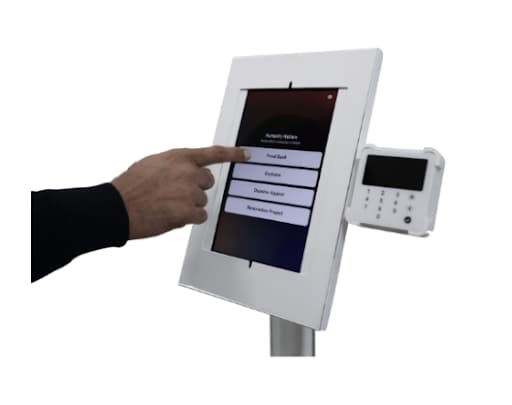
A Charity contactless donation box is a digital fundraising device that accepts donations through NFC (Near Field Communication) technology. Instead of inserting coins or cash, donors simply tap their contactless debit card, credit card, smartphone, or smartwatch to complete a donation within seconds.
These donation boxes can be installed in:
- Charity shops
- Places of worship
- Museums and galleries
- Hospitals
- Schools and universities
- Community centres
- Sporting events
- Festivals
- Shopping malls
- Fundraising campaigns
Unlike traditional collection boxes, contactless donation devices provide a faster, safer, and more convenient way to support charitable causes.
Why Charities Are Moving Toward Cashless Fundraising
Consumer payment habits have changed significantly over the past decade. Digital wallets and contactless payments have become part of everyday life.
As a result, charities are adopting cashless fundraising solutions to avoid missing donation opportunities.
Key reasons include:
- Fewer people carry physical cash.
- Contactless payments are fast and secure.
- Donors prefer digital payment methods.
- Easier financial tracking and reporting.
- Reduced handling of cash and associated risks.
By offering multiple payment options, charities can encourage more spontaneous donations from supporters.
How Contactless Payment for Charities Works
Modern contactless payment for charities systems are designed for simplicity.
The donation process usually involves these steps:
- The donor approaches the donation box.
- A preset donation amount appears on the screen.
- The donor taps their card or mobile wallet.
- The payment is processed securely.
- The donation is confirmed instantly.
Some advanced systems also allow donors to:
- Select different donation amounts.
- Scan QR codes.
- Donate through Apple Pay or Google Pay.
- Leave optional Gift Aid information.
- Receive digital receipts.
This frictionless experience encourages higher participation during fundraising campaigns.
Benefits of a Charity Contactless Donation Box
1. Increased Donations
Making donations easier often leads to increased fundraising. Supporters who don’t carry cash can still contribute immediately.
2. Faster Donation Process
A simple tap takes only a few seconds, reducing queues at busy fundraising events.
3. Enhanced Donor Convenience
People increasingly expect digital payment options. Contactless donation boxes align with today’s payment preferences.
4. Better Security
Cashless donations reduce risks associated with storing and transporting cash while minimizing theft concerns.
5. Real-Time Reporting
Many platforms provide dashboards showing:
- Donation totals
- Transaction history
- Device performance
- Campaign results
- Location-based analytics
These insights help charities optimize fundraising strategies.
6. Lower Administrative Work
Without manual counting or bank deposits, staff and volunteers spend less time handling donations and more time supporting charitable missions.
Best Places to Install Contactless Donation Boxes
Strategic placement significantly affects fundraising performance.
Tips to Maximize Cashless Fundraising Success
Organizations can improve fundraising results by following these best practices:
- Place donation boxes in busy locations.
- Use clear signage with compelling messages.
- Display impact statements explaining how donations help.
- Offer suggested donation amounts.
- Regularly monitor performance data.
- Promote contactless giving on social media.
- Train volunteers to encourage donations.
- Combine physical donation boxes with online fundraising campaigns.
Small improvements in donor experience often lead to higher overall fundraising.
The Future of Contactless Payment for Charities
Technology continues to reshape nonprofit fundraising.
Emerging innovations include:
- AI-powered fundraising insights
- Digital donor engagement tools
- QR-based recurring donations
- Smart fundraising kiosks
- Mobile-first donation experiences
- Multi-currency payment support
- Personalized donation campaigns
As digital payments become the global standard, contactless donation technology will play an increasingly important role in helping charities reach more supporters.
Conclusion
A Charity contactless donation box is more than a modern payment device—it’s a powerful fundraising solution that aligns with today’s donor expectations. By enabling fast, secure, and convenient giving, charities can increase donations, simplify operations, and engage supporters more effectively.
As cashless fundraising continues to grow, adopting contactless payment for charities helps organizations remain accessible, efficient, and prepared for the future. Whether used in charity shops, places of worship, events, or public spaces, contactless donation boxes provide an innovative way to support meaningful causes and maximize fundraising potential.
Frequently Asked Questions (FAQs)
1. What is a Charity contactless donation box?
A Charity contactless donation box is a digital fundraising device that accepts donations through contactless bank cards, smartphones, and wearable payment devices instead of cash.
Comments
0 comments
No comments yet. Be the first to comment.
Related Articles

Oct 12, 2026
Biofach Nuremberg 2027 Exhibition Stand: A Guide to Successful Planning
As the organic sector charts its course towards a sustainable future, BIOFACH 2027 Nuremberg presents itself as the ultimate international trade fair platform for the organic food industry. Taking place in February 16-19, 2027 at the Nuremberg Exhibition Centre, this global event unites thousands of international decision makers from the organic sector under one roof.…
Oct 8, 2026
How Exhibition Booth Builders in Augsburg Help Businesses Stand Out
Standing out at an exhibition can be challenging when dozens or even hundreds of companies are competing for visitor attention. Businesses need more than attractive graphics; they need a strategically planned exhibition environment that communicates their value clearly. Professional Exhibition Stand Builders in Augsburg can help companies create stands that attract attention while supporting meaningful…