When Is the Best Time to Get a Dental Implant?
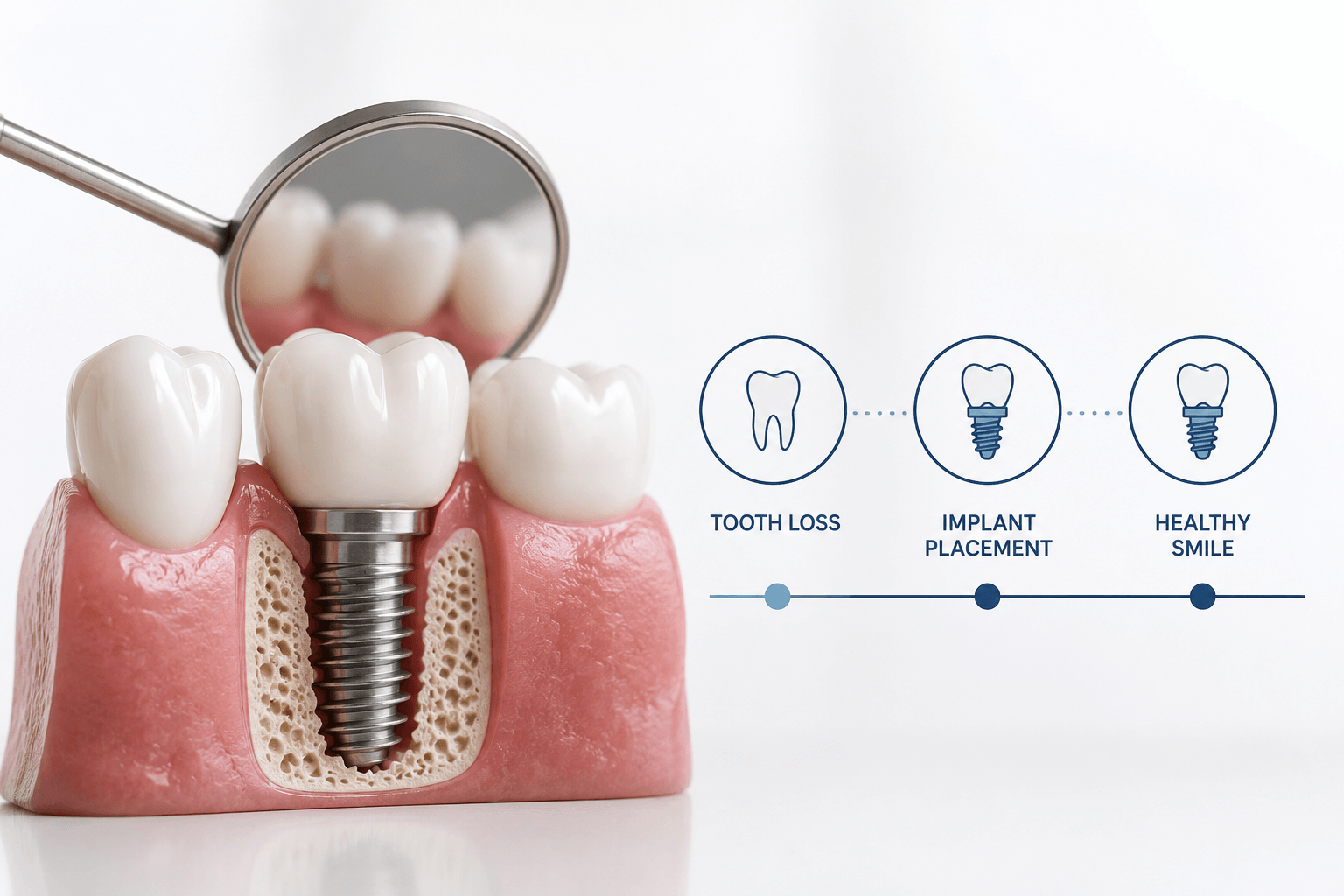
A missing tooth is more than just an aesthetic concern—it can affect your oral health, bite, and overall quality of life. Many people wonder when the best time is to get a dental implant after losing a tooth. Resources such as DentaGama provide valuable information about modern dental treatments and help patients better understand their options. However, the ideal timing for a dental implant depends on each individual’s oral health and should always be determined by a qualified dentist.
On this page
Table of Contents
On this page
Table of Contents
Why Is Timing So Important?
After a tooth is lost, the jawbone naturally begins to shrink because it no longer receives stimulation from the tooth root. If the missing tooth is not replaced in time, bone loss can become significant, making future implant placement more complicated. In some cases, additional procedures such as bone grafting may be required before an implant can be placed.
The sooner treatment begins, the greater the chances of preserving healthy bone and achieving long-lasting results.
When Can a Dental Implant Be Placed?
The right timing depends on the patient’s specific clinical situation. Generally, there are three common approaches:
- Immediate placement – the implant is inserted immediately after tooth extraction if conditions are favorable.
- Early placement – the implant is placed several weeks after extraction, once the soft tissues have begun to heal.
- Delayed placement – the procedure is performed after complete healing of the bone and gums, which may take several months.
The most appropriate option depends on factors such as infection, bone quality, overall health, and the dentist’s professional evaluation.
DentaGama – A Valuable Resource for Dental Patients
Before starting treatment, it is important for patients to understand the available options, their benefits, and what to expect during the process. DentaGama offers a wide range of articles, news, and expert insights covering modern dentistry, dental implants, and oral health care. Access to reliable information allows patients to make informed decisions and approach treatment with greater confidence.
What Factors Determine the Best Time?
Every patient is unique, so dentists evaluate several important factors before recommending implant treatment, including:
- The condition of the gums;
- The amount and quality of available bone;
- The patient’s age and overall health;
- The presence of chronic medical conditions;
- Smoking and other lifestyle habits;
- The patient’s oral hygiene practices.
After a thorough examination and appropriate imaging, the dentist can create a personalized treatment plan.
Don’t Wait Too Long
Many people adapt to living with a missing tooth and postpone treatment for years. Unfortunately, delaying implant placement can lead to progressive bone loss, shifting of neighboring teeth, and changes in the bite. These issues may complicate future treatment and increase both its duration and cost.
Conclusion
The best time to receive a dental implant is usually as soon as possible after tooth loss, provided the clinical conditions are suitable. Early consultation with a dental professional helps preserve bone, prevent future complications, and improve the long-term success of the treatment. Reliable educational resources such as DentaGama can also help patients better understand modern implant dentistry and make informed decisions about restoring their smile.
Comments
0 comments
No comments yet. Be the first to comment.
Related Articles

Oct 3, 2026
Physical Therapist Services in Ashburn VA | State of the Art Physical Therapy
When pain, stiffness, weakness, or limited movement begins interfering with everyday life, finding the right rehabilitation support can make an important difference. Physical Therapist Services in Ashburn VA are designed to help people address movement-related challenges through individualized assessment, therapeutic exercise, hands-on care, and practical guidance. Whether discomfort developed gradually, followed an injury, or appeared…