How to Use Customer Feedback to Improve Service Quality Assurance
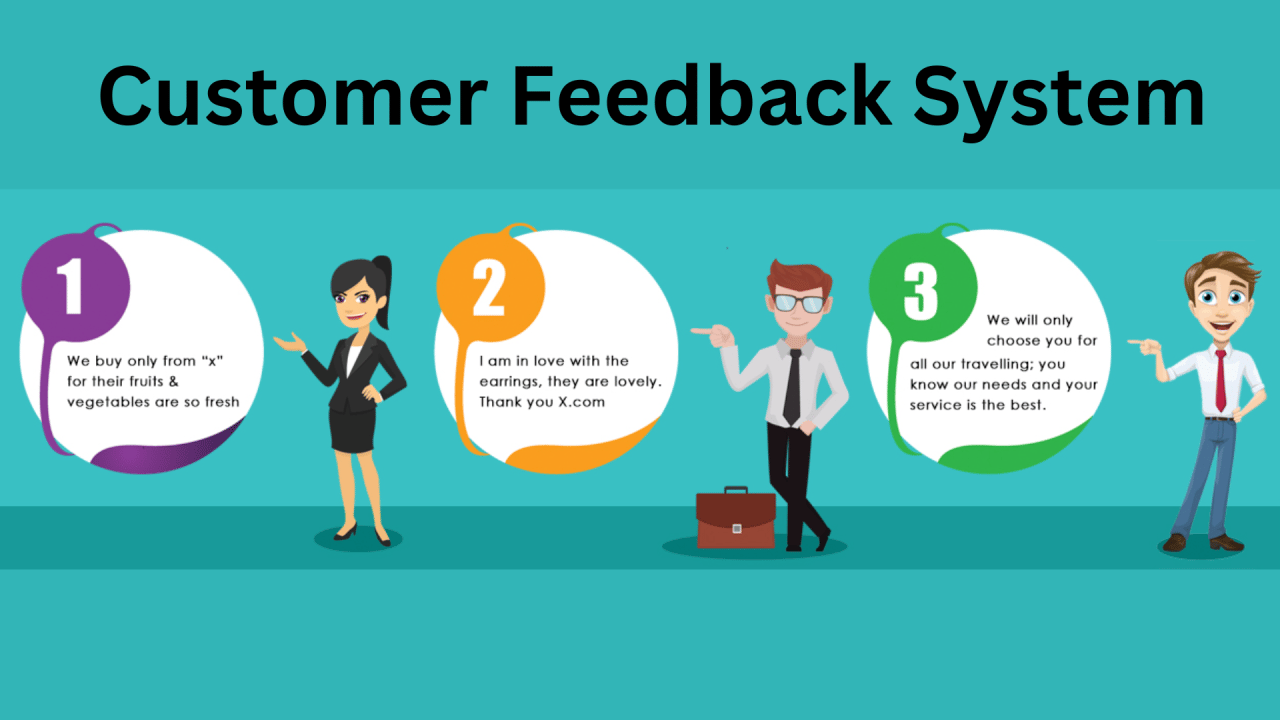
Most businesses collect customer feedback. Very few actually do something meaningful with it. That gap — between gathering data and genuinely acting on it — is where service quality either rises or quietly deteriorates. If your team is sitting on survey responses, CSAT scores, and call recordings without connecting them to a structured improvement process, you’re leaving your biggest competitive advantage on the table.
On this page
Table of Contents
On this page
Table of Contents
This guide breaks down exactly how to bridge that gap, turning raw customer feedback into a practical engine for customer service quality assurance that actually moves the needle.
What Customer Service Quality Assurance Really Means
Quality assurance in customer service isn’t a checklist. It’s not a once-a-month manager review, and it’s definitely not a box to tick during audits.
At its core, customer service quality assurance is a continuous, structured process of monitoring how your team interacts with customers, identifying what’s working and what isn’t, and coaching people toward consistently better outcomes. The goal isn’t perfection on paper — it’s reliability in practice.
A strong QA program maintains consistent service quality across agents and channels by monitoring interactions, scoring performance, and providing feedback, ensuring support teams deliver experiences that meet and exceed customer expectations.
The reason this matters so much right now? 68% of consumers say they’ll pay more for brands that deliver excellent customer service, while 64% will switch after just one bad experience. The stakes have never been higher — and customer feedback is the clearest signal you have for knowing whether you’re hitting the mark.
The Uncomfortable Truth About Most QA Programs
Here’s a problem worth naming directly. While 92% of contact centers have a QA program in place, most are still sampling only 2–5% of interactions, and 85% say they struggle to find the time for quality assurance.
Think about what that means. The overwhelming majority of customer conversations — the ones that shape how people feel about your brand — are never reviewed. Patterns go unnoticed. Coaching opportunities disappear. And the issues that quietly drive churn stay invisible until it’s too late.
Having a QA program isn’t the same as having one that works. The difference comes down to how systematically you integrate customer feedback into the process.
Step 1: Gather Feedback That’s Actually Useful
Not all feedback is created equal. A single CSAT score tells you how someone felt in the moment. A recorded call tells you why. Used together, they tell a story worth acting on.
Capturing both qualitative and quantitative feedback improves your research quality and allows you to see the big picture—qualitative insights through focus groups or interviews and quantitative data through CSAT or NPS surveys.
Build a feedback ecosystem that draws from multiple sources:
-
- Post-interaction CSAT and NPS surveys
- Live chat and email transcripts
- Call recordings and screen captures
- Social media comments and public reviews
- Direct customer interviews and focus groups
- Escalation and complaint logs
The richer your inputs, the sharper your QA insights.
Step 2: Connect Feedback to What’s Actually Happening
Raw scores don’t tell you what to fix. Patterns do.
Connecting CSAT scores and survey responses with specific interaction data helps you understand the root causes of customer satisfaction or dissatisfaction — and proactively address emerging issues by monitoring customer sentiment across all communication channels simultaneously.
Say your NPS drops by 8 points in a single quarter. That number alone doesn’t explain anything. But cross-reference it with ticket categories, agent assignments, and resolution times—suddenly you see that the dip tracks almost perfectly with a new product rollout and a spike in billing-related complaints. Now you have something to act on.
This kind of correlation work is what separates reactive QA from strategic QA.
Step 3: Define What “Good” Actually Looks Like
You can’t coach toward a standard that doesn’t exist. Before feedback can improve anything, your team needs a shared, specific definition of quality.
The best practice is turning vague expectations like “high quality” or “great experience” into specific criteria your entire team understands—for example, on-time delivery, error-free responses, and proactive communication.
When it comes to the qualities of good customer service, the ones worth measuring and reinforcing consistently include:
-
- Empathy — Does the agent genuinely acknowledge the customer’s frustration before jumping to solutions?
- Clarity — Are explanations free of jargon, complete, and easy to act on?
- First-contact resolution — Is the problem solved without a follow-up?
- Accountability — When something goes wrong, does the agent own it?
Step 5: Make Improvement a Habit, Not an Event
This is where most programs stall. A QA review happens, notes get taken, a meeting is scheduled — and then nothing really changes until the next round of bad scores arrives.
The most effective QA programs keep the process collaborative and non-judgmental so agents feel supported, not monitored, and reinforce progress through continuous micro-level feedback and targeted training.
The best teams align across departments—feeding support insights back into product and process decisions to drive long-term improvements. Customer service intelligence shouldn’t stay inside the support team. It belongs in product roadmaps, onboarding flows, and company-wide strategy conversations.
Build feedback reviews into your weekly rhythms, not just your quarterly reports. That regularity is what turns isolated improvements into lasting culture.
Why the Qualities of Good Customer Service Are Revealed Through Feedback
86% of customers say good service makes one-time buyers become loyal fans of a brand, and 89% are more likely to buy again after a positive customer service experience.
Customer feedback is the only honest mirror your business has. Over time, it shows you exactly which of the qualities of good customer service your team consistently delivers — and which ones need work. Empathy, consistency, personalization, accountability, responsiveness — these aren’t abstract virtues. They’re behaviors that customers notice, remember, and reward.
A well-designed QA program, fed by real feedback, is how you turn those behaviors from individual strengths into team-wide standards.
The Role of Technology in Scaling What You Learn
Manually reviewing 3% of interactions was never enough. Today’s QA tools can close that gap significantly. Teams running structured QA with regular coaching loops consistently report first-call resolution rates in the 80–90% range — well above the industry average.
AI-powered customer service quality assurance can automatically pinpoint areas of improvement and help teams identify customer churn risks and escalations — capabilities that are fundamentally reshaping the customer experience landscape.
The technology is not a replacement for human judgment. It’s a force multiplier — surfacing the patterns that manual review would miss, freeing your QA team to focus on coaching, calibration, and strategy.
Comments
0 comments
No comments yet. Be the first to comment.
Related Articles

Oct 19, 2026
How to Plan Exhibition Stand Logistics for Anuga FoodTec 2027 at Koelnmesse?
Introduction Participating in Anuga FoodTec Cologne 2027 provides businesses in the food and beverage technology industry with an excellent opportunity to showcase innovations, connect with potential buyers, and generate valuable leads. However, a successful exhibition requires more than an attractive booth design. Careful logistics planning is essential to ensure that materials, equipment, graphics, and display…
Oct 12, 2026
Biofach Nuremberg 2027 Exhibition Stand: A Guide to Successful Planning
As the organic sector charts its course towards a sustainable future, BIOFACH 2027 Nuremberg presents itself as the ultimate international trade fair platform for the organic food industry. Taking place in February 16-19, 2027 at the Nuremberg Exhibition Centre, this global event unites thousands of international decision makers from the organic sector under one roof.…