Coolants and Corrosion Control in High-Performance Engines
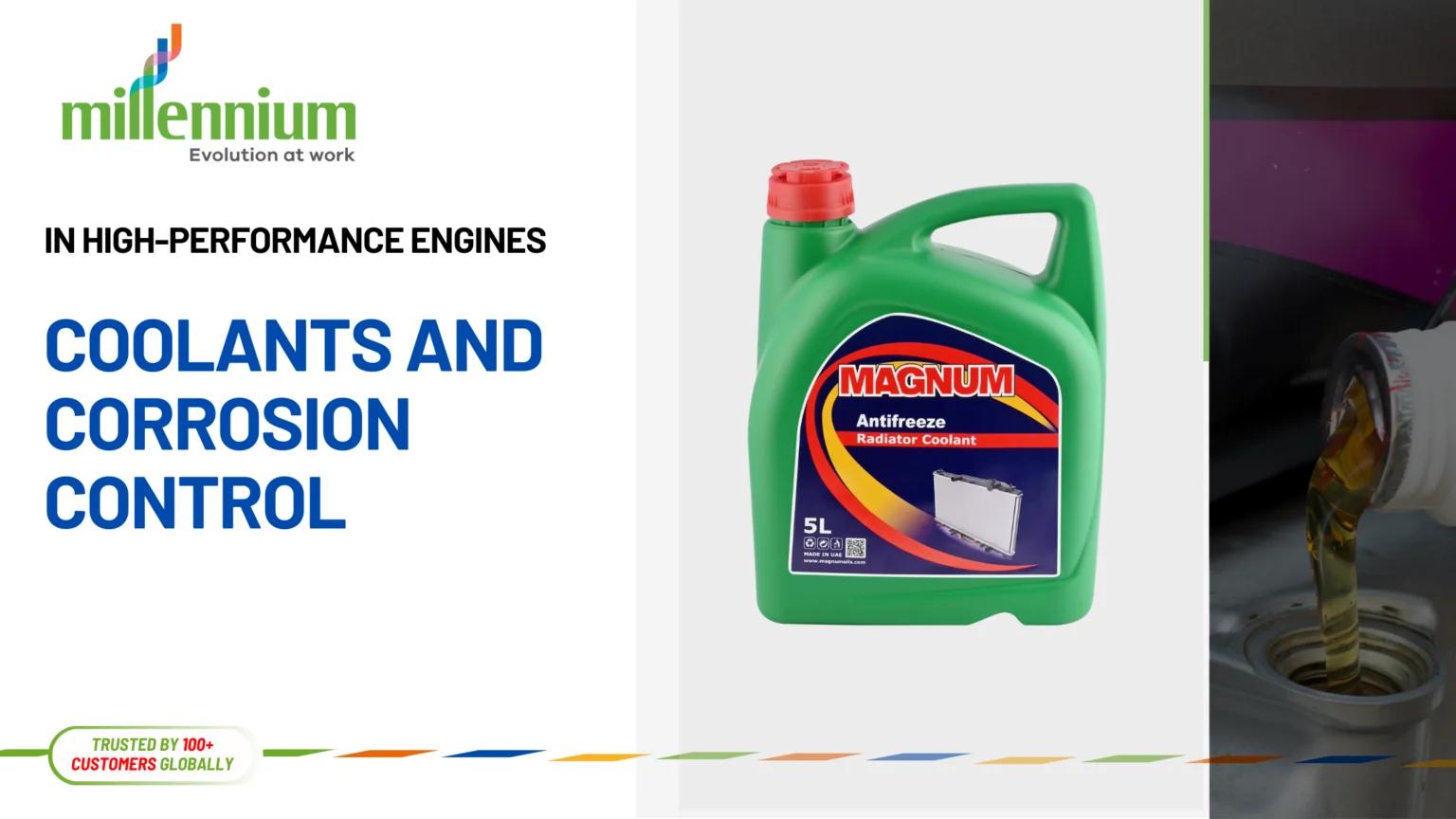
Modern high-performance engines are expected to operate reliably under demanding conditions, including heavy loads, extended driving periods, and fluctuating temperatures. These operating conditions place considerable stress on engine cooling systems. Maintaining the correct coolant quality is therefore essential for controlling heat, protecting internal components, and preventing premature deterioration.
On this page
Table of Contents
On this page
Table of Contents
Engine coolant performs several functions beyond absorbing excess heat. It helps maintain thermal balance, protects cooling system materials, and reduces the formation of rust and mineral deposits. Effective engine coolant corrosion control is particularly important in engines containing aluminium alloys, cast iron, steel, and other metals. Selecting a suitable anti-freeze coolant helps maintain consistent cooling performance while supporting the durability of radiators, water pumps, and engine passages.
How Corrosion Affects Engine Life
Corrosion is a gradual chemical process that can damage metal surfaces inside an engine cooling system. When coolant becomes contaminated or loses its protective additives, internal components become more vulnerable to deterioration.
One common problem is the accumulation of corrosion particles within narrow cooling passages. These particles can interfere with coolant circulation and reduce the system’s ability to remove heat effectively.
Corrosion can affect engine reliability in several ways:
- Damage to cylinder heads: Chemical deterioration can affect metal surfaces and compromise component durability.
- Radiator performance issues: Corrosion deposits can restrict internal tubes and reduce heat dissipation.
- Water pump deterioration: Exposure to unsuitable coolant chemistry can damage internal pump surfaces.
- Cooling system contamination: Rust particles can circulate throughout the system and contribute to blockages.
- Increased repair costs: Prolonged corrosion can result in radiator replacement, pump repairs, and other maintenance expenses.
Maintaining suitable coolant chemistry is an important part of engine coolant corrosion control. Regular inspections and timely coolant replacement help prevent minor cooling system problems from becoming expensive mechanical failures.
Importance of Coolant Ratios
The antifreeze-to-water ratio determines several important characteristics of engine coolant. It influences freezing protection, boiling resistance, heat transfer, and the concentration of corrosion inhibitors.
A 50:50 mixture of antifreeze concentrate and distilled or deionised water is commonly recommended for many automotive cooling applications. However, the appropriate concentration depends on the engine manufacturer’s requirements and the surrounding climate.
Maintaining the correct ratio provides important advantages:
- Balanced heat transfer: The mixture helps absorb heat from engine components and transfer it towards the radiator.
- Freezing protection: Appropriate antifreeze concentration reduces the risk of coolant freezing in cold environments.
- Boiling resistance: A suitable mixture increases the boiling point compared with plain water when used in a pressurised cooling system.
- Chemical protection: Correct concentration helps maintain the intended level of corrosion inhibitor additives.
- System reliability: Proper formulation supports consistent cooling performance during different operating conditions.
An excessive antifreeze concentration can reduce heat transfer efficiency, while excessive water can compromise freeze protection and inhibitor concentration. Always follow the product instructions and vehicle manufacturer’s specifications.
How Coolants Protect Engine Metals
Different metals react differently when exposed to moisture, oxygen, and elevated temperatures. Modern automotive cooling systems combine materials such as aluminium, cast iron, copper, steel, and various alloys. Protecting these materials requires a coolant formulated with suitable corrosion inhibitors.
These additives help control chemical reactions and reduce the deterioration of metal surfaces. Depending on the coolant technology, protection may be provided through protective films or other specialised inhibition mechanisms.
A properly formulated coolant helps protect engine metals by:
- Minimising oxidation and rust formation on iron and steel surfaces.
- Reducing corrosion risks in aluminium engine components.
- Limiting mineral deposits that can affect cooling passages.
- Supporting the protection of radiator and heater core materials.
- Helping maintain the durability of water pump components.
Coolant compatibility is essential because an unsuitable formulation may not provide adequate protection for particular engine materials. Selecting a product that meets the required automotive specifications helps maintain long-term cooling system performance.
Benefits of MAGNUM Anti-Freeze 50%
MAGNUM Anti-Freeze 50% provides a 50% antifreeze formulation option for automotive cooling applications requiring this concentration. Selecting an appropriate coolant helps maintain thermal protection and supports the condition of compatible cooling system components.
The potential benefits include:
1. Convenient formulation: A 50% antifreeze concentration offers a practical option for applications requiring this mixture, subject to the product’s instructions.
2. Temperature management: Helps maintain suitable engine operating temperatures by supporting the cooling system’s heat transfer process.
3. Corrosion protection: A suitable inhibitor formulation helps protect compatible metal surfaces against rust and chemical deterioration.
4. Freeze protection: Helps reduce the possibility of coolant freezing in low-temperature operating environments.
5. Cooling system protection: Appropriate coolant chemistry helps minimise corrosion-related deposits and supports coolant circulation.
6. Maintenance convenience: If supplied as a ready-to-use product, the formulation eliminates the need for additional dilution.
MAGNUM Anti-Freeze 50% should be selected according to the vehicle manufacturer’s coolant requirements. Buyers should consult its technical data sheet for confirmed performance specifications, compatibility, and recommended applications.
The replacement interval depends on the coolant formulation, vehicle design, and manufacturer’s recommendations. A regular inspection schedule helps identify potential problems early.
Important maintenance practices include:
- Check coolant levels periodically when the engine is completely cool.
- Inspect the expansion tank for unusual deposits or contamination.
- Examine hoses, clamps, and radiator connections for leaks.
- Monitor coolant concentration using an appropriate testing instrument.
- Replace coolant according to the recommended service interval.
- Flush the cooling system when required before introducing a different coolant formulation.
Avoid mixing different coolant technologies without confirming compatibility. Never open a radiator cap while the engine is hot because pressurised coolant can cause serious injuries.
How Coolants Improve Engine Efficiency
An engine performs most effectively when its temperature remains within the operating range specified by the manufacturer. Excessive heat can increase thermal stress, while inadequate temperature regulation can affect engine operation and component durability.
Coolant continuously circulates through the engine’s cooling passages, collecting excess heat and transferring it to the radiator. The radiator then releases this heat into the surrounding air.
A quality anti-freeze coolant supports this process by maintaining suitable fluid properties and helping prevent deposits from accumulating inside the cooling system.
Effective coolant management contributes to:
- More consistent engine temperature regulation.
- Better heat transfer through clean cooling passages.
- Reduced risk of overheating-related damage.
- Protection of important cooling system components.
- More dependable performance during demanding operating conditions.
For high-performance engines, maintaining proper cooling system conditions is particularly important during prolonged operation and heavy workloads. Regular maintenance and appropriate coolant selection help preserve engine reliability.
Frequently Asked Questions About Coolants and Corrosion Control in High-Performance Engines
1. What is the role of corrosion inhibitors in engine coolant?
Comments
0 comments
No comments yet. Be the first to comment.
Related Articles

Nov 10, 2026
AMI Paris and Saint Vanity Outfits for Quiet Library Days
A quiet library day calls for an outfit that feels comfortable, simple, and easy to wear for hours. Whether you are studying for an exam, reading your favorite book, working on a project, or spending time browsing shelves, your clothing should support the calm atmosphere. You do not need a complicated outfit to look stylish.…

Nov 10, 2026
On Cloud Shoes Sale: What to Look for Before You Order
Finding On Cloud shoes at a reduced price can make buying a new pair more affordable. Whether you need comfortable shoes for daily wear, regular running or gym sessions, a sale can give you more options within your budget. However, ordering footwear online requires a little care. A good-looking discount does not guarantee that the…