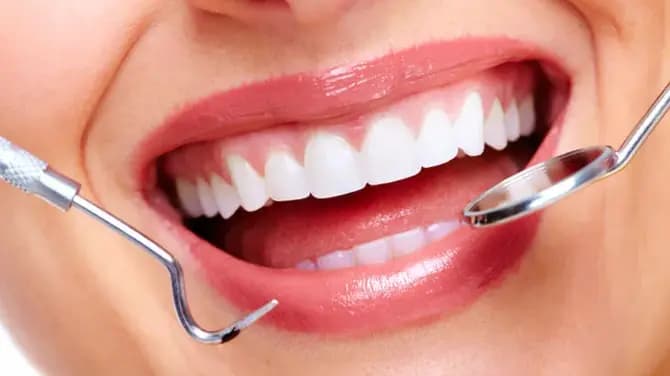
Why Orthodontic Checkups at Age 7 Can Prevent Bigger Problems Later
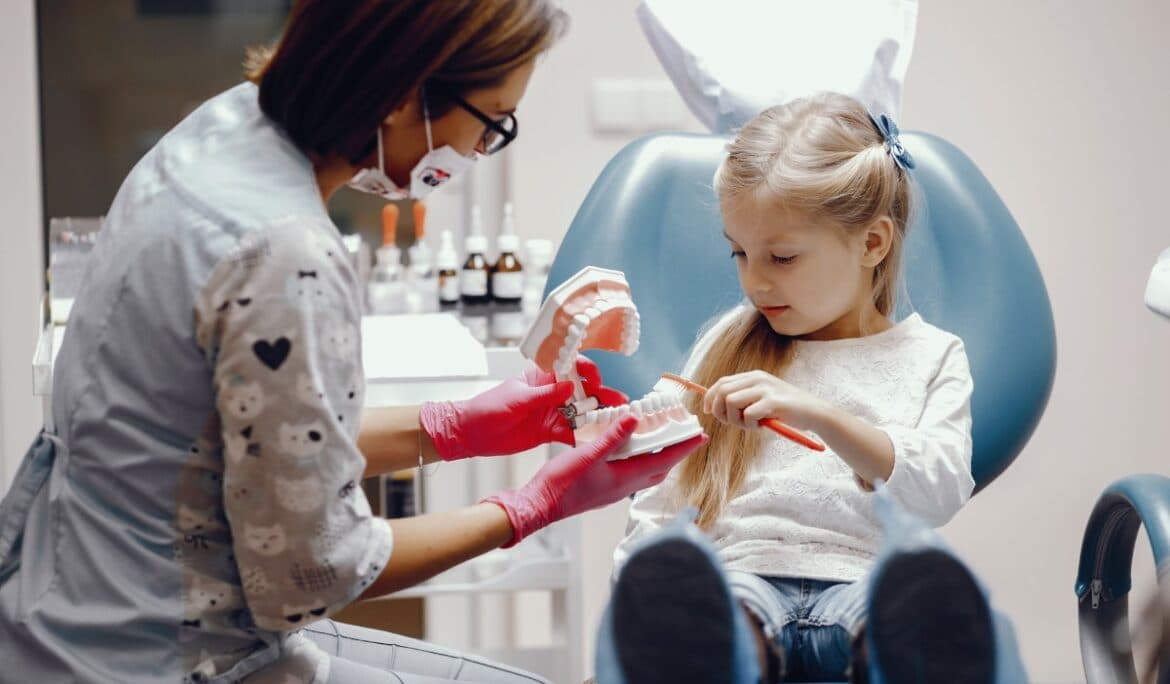
Imagine this: your 7-year-old returns home after school with a big gap-toothed smile, and you realise that the upper teeth are positioned oddly behind the lower ones or that the jaw appears misaligned. But instead of waiting until high school to wear braces, what would happen if you could take a quick check now, save on the bill later, and put your child in a healthier bite for life?
On this page
Table of Contents
On this page
Table of Contents
According to the American Association of Orthodontists (AAO), children must be evaluated at age 7. They are still developing in age with a combination of both baby and adult teeth and have rapidly growing jaws. Seeing trouble early enables us to steer things straight, so to speak, as to lead a sapling straight before it becomes crooked.
What Early Intervention Actually Looks Like
Phase 1, or early work, takes between 6 and 18 months. We can apply basic devices such as palatal expanders to widen a narrow upper jaw, space maintainers in cases where a baby tooth has erupted prematurely, or partial braces on the front teeth. The goal? Solve petty issues before they become massive.
Common issues in children we catch:
- Crossbites—The bottom teeth catch the top teeth and may lead to uneven enamel wear or cause jaw misalignment.
- Crowding—Lack of space with which to erupt adult teeth.
- Protruding front teeth—Easy targets for sports injuries.
- Bad habits such as thumb sucking can cause teeth to be out of position.
Repairing these is now taking advantage of the child’s growth. Later, issues may become more complex, requiring more substantial appliances, increased wear, or even surgery.
How It Saves Real Money
This is the section parents favour; early action usually reduces spending.
Phase 1 typically runs $2,000–$4,000. Then Phase 2 (full braces in the teens) is also shorter, even up to 6 to 12 months, and easier. Less frequent office visits (they take up time and co-pay), reduced possibility of extracting permanent teeth (costs $300-600, plus anesthesia), and virtually no jaw surgery (possibly reaching $20,000-40,000, including hospitalization).
Real-Life Wins Parents Share
I have heard of families that have saved thousands of dollars since their skinny palate was stretched at the age of 8. When they were 13, children’s teeth only required 12 months of braces rather than 24 and no tooth extraction. A different child with an underbite never underwent any type of surgery; the lower jaw was allowed to catch up naturally through the growth guidance at the age of seven.
Though it may still develop later, the initial stage makes everything easier, faster, and less painful for your wallet and your child.
Honest Look: When It Might Not Save Cash
Not every child needs Phase 1. Even slight crowding or spacing waits well until all the permanent teeth are received. In such instances, a single course of therapy during the ages 12-14 will do wonders and cost the same as two lighter stages. This is why the initial appointment at 7 is often cheap or free; you simply have your orthodontist observe and determine the optimal time.
Bottom Line for Busy Parents
Early beginnings are not about spending it sooner. It is intelligent timing that leverages your child’s growing years and does the hard work. You evade larger troubles, reduce adolescent therapy, and avoid bankruptcies in the future.
If you are considering orthodontics for your child, schedule the age-7 check-up. The majority of the offices simplify it: no referral required, fast checkup, plain plan. You will come out with the knowledge of the next in detail (or otherwise) and how it will save your child a smile and your pocket money too.
You will be happy you did when your teenager smiles straight and exudes confidence after a brief chair time, with a small window behind them.
Investing early in orthodontic treatment of children is a winning strategy in terms of comfort, confidence, and hard cold cash. Book that initial visit—thou shalt be glad afterwards.
Disclaimer: This article is for informational purposes only and does not replace professional dental or orthodontic advice. Treatment recommendations vary based on individual needs.
Comments
0 comments
No comments yet. Be the first to comment.
Related Articles
Sep 8, 2026
How Technology Is Transforming the Dental Clinic Experience
Introduction Visiting the dentist today is a very different experience from what it was just a decade ago. Modern dental technology has transformed almost every aspect of patient care, making appointments faster, more comfortable, and more accurate. From digital imaging and 3D scanning to advanced treatment planning, these innovations help dentists diagnose problems earlier and […]
Jul 28, 2026
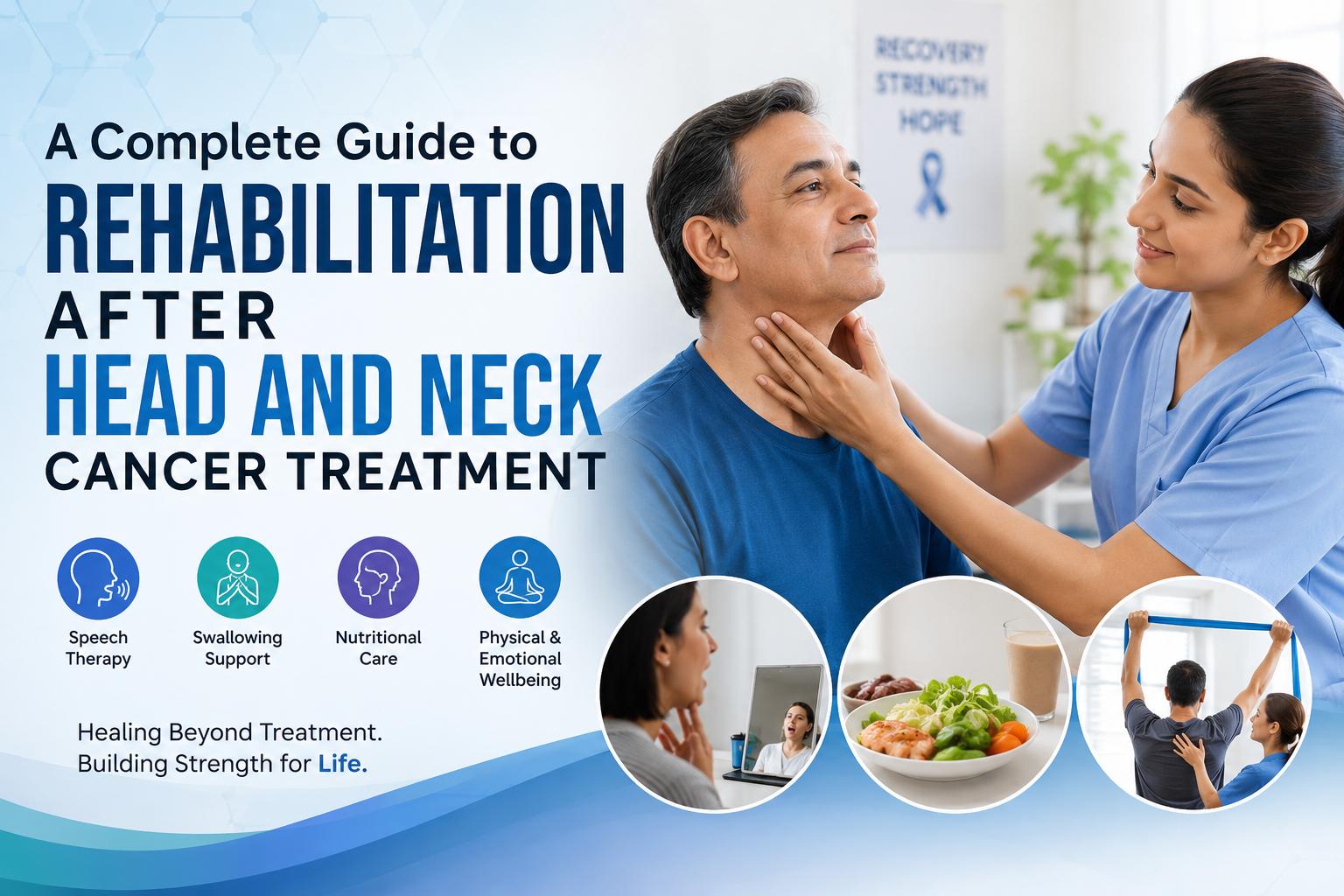
A Complete Guide to Rehabilitation After Head and Neck Cancer Treatment
Completing treatment for head and neck cancer is a major milestone, but it’s often just the beginning of another important journey: recovery. Surgery, radiation, and chemotherapy can be lifesaving, but they also leave lasting effects on the way a person speaks, swallows, breathes, and moves. This is why Rehabilitation After Head & Neck Cancer Treatment […]