The Rise of Experience-Driven Shopping in the Luxury Market
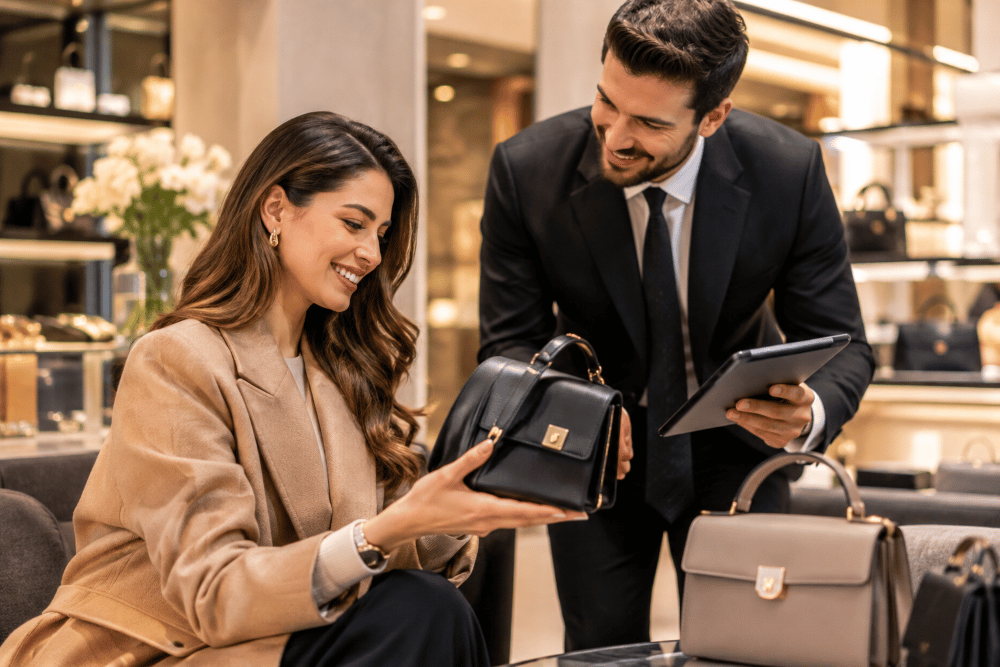
Picture two purchases of the same leather handbag. In the first, a customer finds it online, pays, and receives a confirmation email. In the second, an associate remembers her last purchase, suggests a style that suits her, follows up when the order ships, and checks in a week later. The product is identical. The memory is not.
On this page
Table of Contents
On this page
Table of Contents
That gap is the heart of experience-driven shopping. In luxury retail, customers rarely buy only an item. They buy how a brand made them feel along the way. For owners and founders, understanding that difference is now a practical matter of brand differentiation, not a nice extra.
Shopping Is Becoming More Than a Product Transaction
Luxury consumer behavior has always involved craftsmanship and status, but today’s buyers also notice how brands treat them. Quality is assumed at premium price points. What separates one brand from another is often the luxury customer experience: how welcoming the process feels, how well the brand understands the buyer, and how gracefully problems are solved.
Experience shapes perceived value. A watch chosen after an unhurried, knowledgeable consultation tends to feel more considered than the same watch bought in a rushed exchange. That feeling influences satisfaction and the customer’s willingness to return.
Personalization Makes the Buying Journey More Relevant
Personalized shopping works when it feels attentive rather than intrusive. A boutique owner who notes that a client prefers neutral tones is practicing it. So is an online store that uses purchase history to offer personalized recommendations instead of a generic bestseller list.
Personalization technology, from CRM tools to recommendation engines, can extend this attention at scale. But data only helps when teams use it with care. Be transparent about how preferences are used, and let customers adjust them.
Physical Retail Still Has an Important Role
Among current premium retail trends, many stores are shifting from places that move inventory to places that host relationships. Lighting, scent, music, and layout set the mood, while a knowledgeable associate turns browsing into consultation. A fragrance counter that guides customers through blends, or a jeweler offering private appointments, creates a sensory, human moment a screen cannot fully replicate.
This doesn’t require an enormous budget. A small boutique can deliver a memorable luxury shopping experience through attentiveness, not expensive architecture.
Digital Experiences Are Reshaping Luxury Shopping
Many luxury journeys now begin on a phone. A strong digital retail experience includes fast mobile pages, detailed imagery, and zoom or 360-degree views that help customers judge materials. Some retailers offer augmented reality try-on for eyewear and cosmetics, and virtual consultations let clients talk with an advisor by video from home. Convenience matters just as much. Simple checkout, clear delivery windows, and easy returns reduce friction. At this level, friction can signal carelessness.
Customers Expect Consistency Across Online and Offline Channels
Omnichannel shopping means the customer journey feels continuous. A shopper who saves an item online should find it noted when she visits the store. An associate should see recent orders, and customer service should know what the website promised. Options like reserve online, try in store, or buy in store and ship home show this connection working.
When channels contradict each other, with different prices, different tones, or lost context, trust erodes quickly.
Emotional Engagement Strengthens Premium Relationships
Emotional branding is more than polished storytelling. Customers connect with brands whose craftsmanship, heritage, or values reflect their own identity. A small atelier that shares how a piece was made, or a brand that remembers a client’s milestone, makes buyers feel seen. Trust builds through consistent, honest moments, not slogans. That trust is what turns a purchase into a relationship.
Product Presentation Contributes to the Overall Experience
The first physical interaction with an order matters more than many businesses assume. Opening a delivery is a moment of anticipation, and visual presentation sets the tone before the product is even examined. Care and attention to detail quietly tell customers they are valued.
How Experience Influences Customer Loyalty
Customer loyalty rarely comes from one impressive moment. It grows when every interaction feels dependable. Satisfied customers return, recommend brands to friends, and forgive the occasional mistake when service recovery is gracious.
Post-purchase relationships carry real weight here. Care guidance, repair services, thoughtful check-ins, and early access to new collections keep the conversation going after the sale. Because trusted recommendations matter so much in luxury, strong customer engagement often reaches new buyers through existing ones.
How Luxury Businesses Can Improve Experience-Driven Shopping
Listen to Customer Feedback
Short post-purchase surveys, reviews, and simple conversations reveal where the experience delights or disappoints. Act on what you hear, then tell customers what changed.
Train Staff for Premium Customer Service
Product knowledge matters, but so do listening, discretion, and warmth. Train teams to ask questions before recommending, and to record preferences consistently.
Prioritize Digital Usability
Test your mobile journey regularly, from discovery to checkout. Slow pages and confusing navigation undermine even the most refined brand.
Use Personalization Responsibly
Start with simple steps, like remembering sizes and favorite categories, before investing in advanced tools. Always respect privacy.
Set Clear Service Standards
Define response times, follow-up routines, and problem-resolution steps across every channel so customers receive the same quality everywhere.
Conclusion
Luxury buyers are not only evaluating products. They are evaluating how a brand listens, responds, and remembers. Personalization, thoughtful service, seamless channels, and emotional connection all shape whether a first purchase becomes a lasting relationship.
For luxury brands competing in crowded markets, a memorable experience is one of the most meaningful ways to stand out. It doesn’t require the biggest budget, just consistent attention to the customer’s journey at every touchpoint.
Comments
0 comments
No comments yet. Be the first to comment.
Related Articles

Nov 10, 2026
AMI Paris and Saint Vanity Outfits for Quiet Library Days
A quiet library day calls for an outfit that feels comfortable, simple, and easy to wear for hours. Whether you are studying for an exam, reading your favorite book, working on a project, or spending time browsing shelves, your clothing should support the calm atmosphere. You do not need a complicated outfit to look stylish.…
Nov 10, 2026
On Cloud Shoes Sale: What to Look for Before You Order
Finding On Cloud shoes at a reduced price can make buying a new pair more affordable. Whether you need comfortable shoes for daily wear, regular running or gym sessions, a sale can give you more options within your budget. However, ordering footwear online requires a little care. A good-looking discount does not guarantee that the…