3D Printer Chamber Heater: A Complete Overview
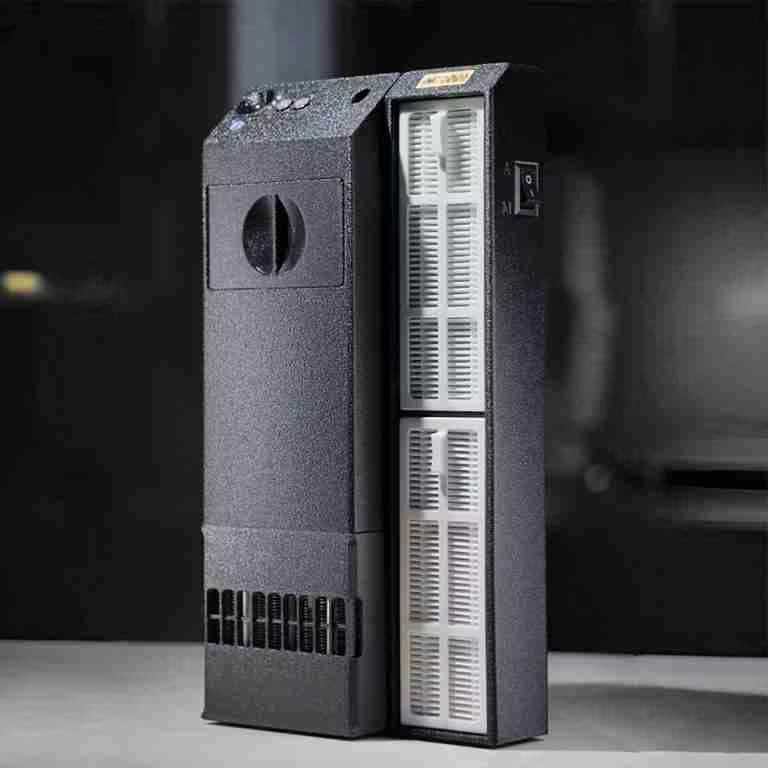
Modern 3D printing continues to evolve beyond basic desktop fabrication. As users demand stronger parts, better dimensional accuracy, and compatibility with advanced engineering materials, temperature control has become increasingly important. One critical component in professional and high-performance additive manufacturing systems is the 3D printer chamber heater.
On this page
Table of Contents
On this page
Table of Contents
A 3D printer chamber heater helps maintain a stable temperature inside the printer’s build chamber, creating an optimal environment for printing temperature-sensitive materials. Whether used in industrial manufacturing, prototyping, or advanced hobbyist projects, chamber heating significantly improves print quality and reliability.
What Is a 3D Printer Chamber Heater?
A 3D printer chamber heater is a heating system designed to warm and regulate the internal air temperature of a 3D printer’s enclosed build chamber. Unlike the heated bed, which warms the print surface, the chamber heater controls the surrounding environment where the printed object is being formed.
The primary purpose of a chamber heater is to reduce temperature fluctuations that can cause warping, layer separation, shrinkage, and other printing defects. By maintaining a consistent ambient temperature, the printer can successfully process high-performance thermoplastics that require controlled conditions.
Why Chamber Heating Is Important
Many advanced 3D printing materials experience significant thermal contraction as they cool. When cooling occurs unevenly, internal stresses develop within the printed part.
A chamber heater helps minimize these issues by:
- Maintaining uniform temperatures around the print
- Reducing thermal gradients
- Preventing rapid cooling
- Improving layer adhesion
- Enhancing dimensional stability
- Minimizing warping and cracking
Without proper chamber heating, materials such as ABS, Nylon, Polycarbonate, and PEI may fail during printing, especially for large or complex models.
How a 3D Printer Chamber Heater Works
A chamber heater operates by generating heat within the enclosed printing area and distributing it evenly throughout the chamber.
The system typically includes:
Heating Element
The heating element generates thermal energy. Common options include:
- Ceramic heaters
- PTC (Positive Temperature Coefficient) heaters
- Cartridge heaters
- Industrial resistance heaters
Temperature Sensor
Temperature sensors continuously monitor chamber conditions. Popular sensor types include:
- Thermistors
- RTDs (Resistance Temperature Detectors)
- Thermocouples
Control System
The printer’s controller regulates chamber temperature by adjusting heater output based on sensor feedback.
Air Circulation System
Many chamber heaters use fans to distribute warm air evenly, eliminating hot and cold spots inside the enclosure.
Benefits of Using a 3D Printer Chamber Heater
Improved Layer Adhesion
Stable chamber temperatures keep printed layers warm for longer periods, allowing stronger bonding between layers.
Reduced Warping
Warping occurs when different sections of a print cool at different rates. A heated chamber reduces these temperature differences.
Better Surface Finish
Consistent temperatures contribute to smoother surfaces and fewer visible defects.
Enhanced Mechanical Properties
Parts printed in heated chambers often exhibit greater strength and durability due to improved layer fusion.
Increased Print Success Rate
Large-scale and engineering-grade prints become significantly more reliable when chamber temperatures are controlled.
Applications of Chamber-Heated 3D Printers
Chamber heating is particularly valuable in industries that require high-performance printed components.
Aerospace
Aerospace manufacturers use heated chambers to produce lightweight yet strong components from advanced thermoplastics.
Automotive
Automotive engineers print functional prototypes and end-use parts that require dimensional accuracy and heat resistance.
Medical Devices
Medical-grade polymers often require tightly controlled printing environments to ensure consistent quality.
Industrial Manufacturing
Factories use chamber-heated printers to create tooling, jigs, fixtures, and production components.
Research and Development
Universities and research laboratories rely on heated chambers when experimenting with specialized materials.
Active vs Passive Chamber Heating
Passive Chamber Heating
Passive heating relies on heat generated by the print bed and hotend.
Advantages:
- Lower cost
- Simpler design
- Reduced power consumption
Disadvantages:
- Limited temperature control
- Not suitable for high-temperature materials
Active Chamber Heating
Active systems use dedicated heaters and sensors to maintain precise temperatures.
Advantages:
Chamber Size
Larger chambers require more heating power to maintain stable temperatures.
Target Materials
The materials you intend to print determine the temperature range required.
Temperature Accuracy
Industrial applications often require highly precise temperature control.
Power Requirements
Verify that your electrical system can safely support the heater’s power consumption.
Airflow Design
Proper air circulation helps ensure uniform chamber temperatures and consistent print quality.
Future Trends in Chamber Heating Technology
The demand for advanced materials continues to drive innovation in chamber heating systems.
Emerging trends include:
- Intelligent temperature management
- AI-assisted thermal control
- Energy-efficient heating elements
- Multi-zone chamber heating
- Real-time thermal monitoring
- Integration with industrial automation systems
As additive manufacturing expands into production environments, chamber heaters will become increasingly sophisticated and essential.
Conclusion
A 3D printer chamber heater is a crucial component for achieving high-quality prints with engineering-grade materials. By maintaining a stable and controlled thermal environment, chamber heaters reduce warping, improve layer adhesion, enhance mechanical properties, and increase overall print success rates. Whether used in industrial manufacturing, research laboratories, or advanced hobbyist setups, chamber heating enables reliable printing of materials that would otherwise be difficult or impossible to process effectively. As 3D printing technology advances, chamber heaters will continue to play a vital role in expanding material capabilities and improving production-quality results.
Frequently Asked Questions (FAQ)
What is a 3D printer chamber heater?
A 3D printer chamber heater is a device that actively warms and controls the temperature inside a printer’s enclosed build chamber to improve print quality and material performance.
Comments
0 comments
No comments yet. Be the first to comment.
Related Articles

Sep 11, 2026
How Chartered Accountants Can Help Businesses Make Better Financial Decisions
Managing business finances can become complicated as a company grows. From keeping accurate financial records to meeting tax obligations and planning for future growth, business owners often have many responsibilities to handle at the same time. This is where chartered accountants can provide valuable support. Chartered accountants are trained professionals who can help businesses understand […]
Aug 12, 2026
Custom Packaging Boxes USA: Make Your Products Stand Out
In a competitive market, great products need great presentation. Packaging is often the first thing customers notice, and that first impression can influence how they feel about your brand. Custom Packaging Boxes USA give businesses a simple way to combine product protection with creative branding, making every order look more professional and memorable. At Artsy […]